



Why Choose California Made Furniture
Table of Contents
- What Makes California Made Furniture Different
- The Benefits of Handcrafted Furniture
- Quality Materials and Solid Wood Construction
- How to Identify Quality Wood Furniture
- Sustainable Home Furniture Trends and Local Production
- Customization and Bespoke Design Options
- Investment Value and Heirloom Quality
- Conclusion
Last Updated: August 26, 2026
What Makes California Made Furniture Different
California made furniture carries a distinct philosophy: pieces designed with intention, built by craftspeople who understand their materials, and created to withstand time rather than trends. The distinction starts with design, Southern California designers draw from a specific aesthetic tradition of clean lines, functional elegance, and livable sophistication that has influenced American furniture for decades.
Tom Collins Home exemplifies this approach. Every piece reflects the California aesthetic: modern sofas with architectural volume, dining tables with honest joinery, sectionals designed for actual living. They build furniture that improves with age, adapts to your life, and remains desirable years later.
The real difference emerges when comparing California made furniture to mass-produced alternatives. Mass manufacturing prioritizes speed and cost reduction through thinner veneers, stapled joints instead of mortise-and-tenon construction, and foam that compresses within months. Locally made pieces operate on a different timeline, with craftspeople sourcing better materials, allowing wood to acclimate properly, and building joints that move with seasonal changes rather than fail under them. This approach costs more upfront but represents an investment in pieces that define your home.
The Benefits of Handcrafted Furniture
Handcrafted furniture delivers consistency of quality combined with the character of human work. When a skilled craftsperson builds a sofa, they make thousands of micro-decisions about how materials fit together, how proportions feel in space, and how details will age. This matters because furniture experiences seasonal humidity shifts, daily use, and years of actual living.
California's furniture makers often work in small manufacturing facilities where teams of specialists collaborate, one person specializing in frame construction, another in upholstery, another in finishing. This division of labor, done thoughtfully, produces better results than a single maker attempting to master every skill.
Handcrafted furniture improves with use. A mass-produced sofa feels identical in month one and month twelve. A handcrafted piece settles as joints fully cure, fabric develops subtle patina, and wood deepens in color. These changes signal aging well, not deterioration. This is where investment value becomes clear: handcrafted pieces don't become obsolete but grow more valuable to you personally as you live with them.
Quality Materials and Solid Wood Construction
Solid wood is the foundation of furniture that lasts. Not veneer over plywood or engineered wood with paper surfaces, but actual solid wood where grain runs through the entire piece. Wood expands with humidity and contracts when dry; solid wood accommodates this movement while veneered surfaces crack and peel.
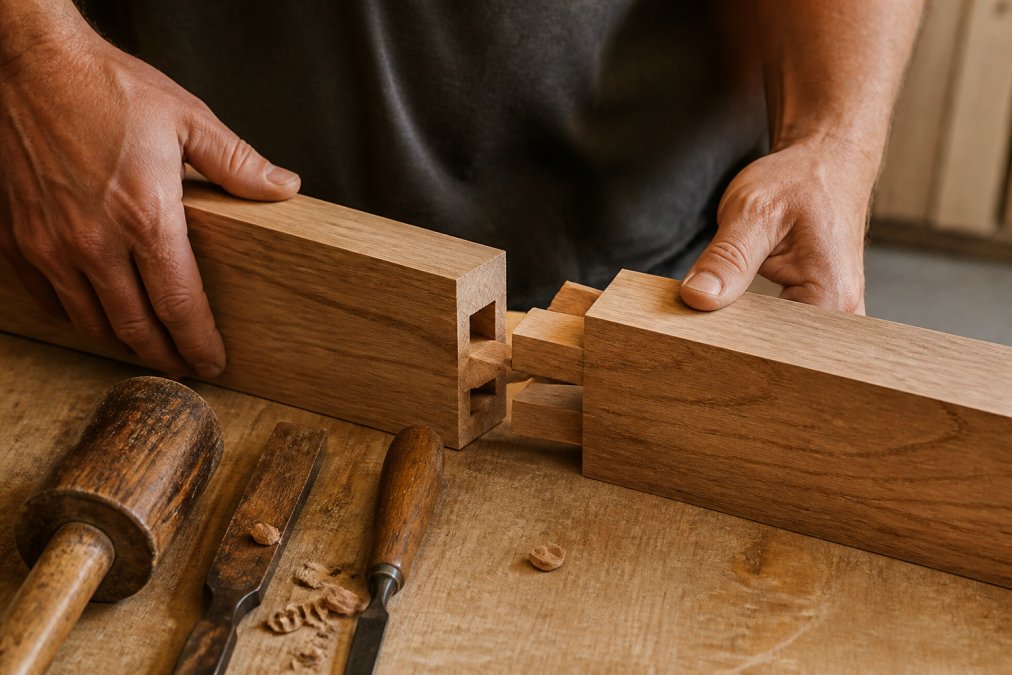
Hardwoods like walnut, oak, and maple are more durable than softwoods because they're denser and resistant to denting (peer-reviewed research). They also age beautifully, with color deepening and grain becoming more pronounced. Construction method determines longevity, the strongest joints are mortise-and-tenon, where a projection fits into a cavity, then gets glued and often pinned. This labor-intensive method is rare in mass production but ensures pieces remain stable for decades.
Proper setup takes weeks to months. Wood needs to acclimate to local humidity before finishing, finishes need full curing, and upholstery requires proper tension. Quality furniture uses solid metal hardware, steel or brass, that won't strip or corrode, because these pieces are built to be repaired and maintained, not replaced.
How to Identify Quality Wood Furniture
Run your hand along edges to check if wood is solid or veneered. Solid wood has consistent grain all the way around; veneer shows abrupt grain changes at edges. Look at joinery by opening drawers, are corners glued and screwed or just stapled? Check table legs for mortise construction rather than bolts. Feel the finish for smoothness and evenness with no rough spots or drips.
Test movement by sitting on chairs or sofas and gently rocking side to side and front to back. Well-built pieces are solid with minimal movement. Ask about materials, wood type, finish, and upholstery specifications. Reputable makers provide detailed specifications; if they won't, that's a warning sign.
Check hardware by opening and closing drawers and doors smoothly. Quality hardware feels substantial and operates smoothly. Examine the back and underside, mass-produced furniture often has rough, unfinished backs, while quality pieces are finished completely because makers respect the craft.
Sustainable Home Furniture Trends and Local Production
Furniture is one of the most resource-intensive consumer goods categories, requiring materials, manufacturing energy, transportation, and eventually disposal. Most furniture ends up in landfills within years of purchase (the EPA).
Local production dramatically reduces carbon footprint through efficient logistics. The real sustainability win comes from durability, a sofa lasting twenty years has vastly lower environmental impact per year of use than one lasting five years. Sustainable furniture trends emphasize materials that age well and can be repaired: solid wood that can be refinished, upholstery that can be reupholstered, and construction allowing component replacement.
California's furniture makers often prioritize sustainable sourcing, working with suppliers practicing responsible forestry and maintaining supply chain transparency. When you buy California made furniture from makers committed to sustainability, you support regional economy while reducing environmental impact. Money circulates locally rather than flowing overseas, and your furniture doesn't become waste in years.
Customization and Bespoke Design Options
Customization isn't available at scale in fast furniture because it breaks efficiency models. For local makers, it's standard practice. You specify dimensions, fabrics, finishes, and details making pieces work for your specific space and aesthetic.
Bespoke design starts with understanding actual space. Most people buy furniture hoping it fits; with customization, you measure rooms, doorways, and wall layouts to design pieces working perfectly. Sofas can be deeper or shallower depending on living room needs. Sectionals fit odd wall layouts. Dining tables size for actual spaces, not standard dimensions.
Fabric selection matters most, instead of choosing from limited mass-manufacturer colors, select from hundreds of options matching existing décor or choosing performance fabrics for households with pets or children. Finish options include wood stains, paint colors, and hardware choices reflecting your exact aesthetic.
Lead time for customized pieces is longer than mass production, typically six to twelve weeks depending on complexity and production capacity. This timeline allows proper material acclimation, careful construction, and unhurried finishing. Some custom options cost the same as standard options; others cost more, but price differences are usually reasonable when investing in quality furniture.
Investment Value and Heirloom Quality
Furniture lasting decades becomes an investment. A sofa costing more upfront but remaining comfortable and beautiful for twenty years has lower cost per year than cheap furniture replaced every five years (the FTC). Quality furniture almost always wins mathematically.
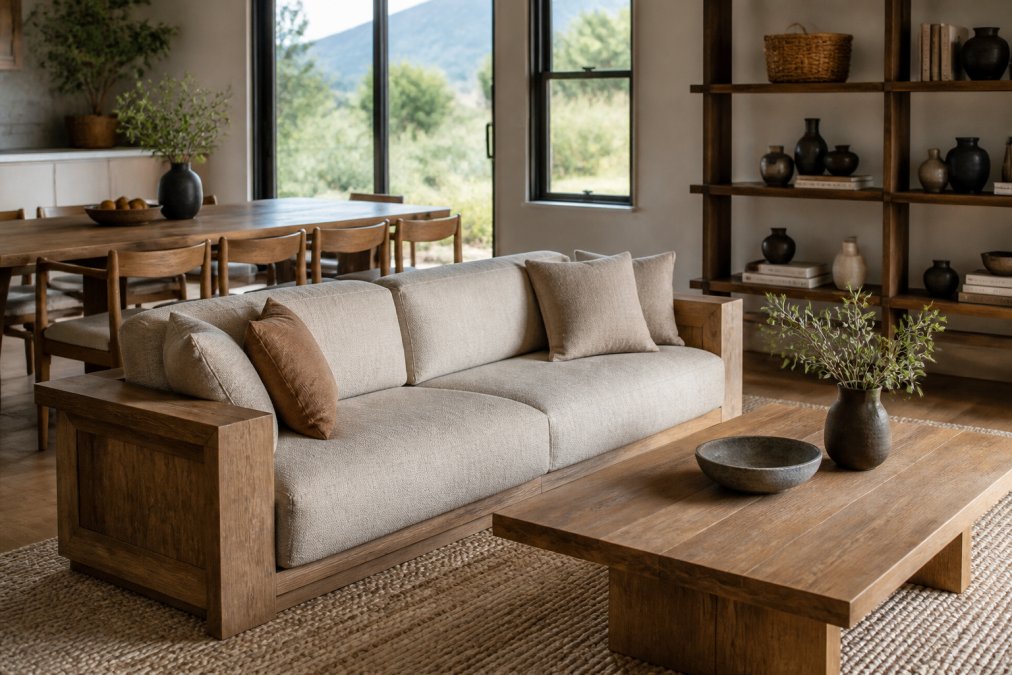
Heirloom quality means furniture improving with age and passable to future generations. This requires construction allowing repair and maintenance: frames that can be re-glued, upholstery that can be replaced, wood that can be refinished. Classic design, which California made furniture emphasizes, remains relevant. Well-proportioned sofas with clean lines won't look dated in ten years; they'll look better having aged beautifully.
Real estate professionals recognize this value. High-quality furniture elevates properties when staging homes or furnishing rentals. Buyers and renters notice differences between cheap and substantial, well-made pieces. Well-made pieces hold resale value better than mass-produced alternatives.
When you buy California made furniture, you acquire pieces defining your home for years, improving with use, and potentially passing to others. That's the opposite of disposable furniture.
Conclusion
Choosing California made furniture means choosing quality over convenience, durability over cost-cutting, and design reflecting your values. When you invest in handcrafted pieces built with solid materials and thoughtful construction, you're building a foundation of pieces serving you well and aging beautifully.
Tom Collins Home specializes in this approach: handcrafted luxury furniture designed in Southern California, built to last, and available in customizable options for your specific space. Their pieces combine California aesthetic, clean lines, functional elegance, sophisticated restraint, with construction quality ensuring reliable performance for years. When ready to furnish your home with pieces you'll love in five years, explore Tom Collins Home and discover how quality furniture transforms a house into a home.
Frequently Asked Questions
Q: How do I know California made furniture will actually last?
A: California made furniture built with solid wood joinery, quality hardware, and traditional craftsmanship techniques is engineered for longevity. Look for pieces constructed with mortise-and-tenon joints, kiln-dried wood, and eight-way hand-tied springs in upholstered items. Handcrafted furniture undergoes rigorous quality control during production, and local manufacturers often stand behind their work. Unlike mass-produced alternatives that cut corners, California makers prioritize durability as a core value, often designing pieces intended as heirloom investments.
Q: What's the difference between California made furniture and mass-produced pieces?
A: California made furniture emphasizes artistry, material quality, and supply chain transparency. Local craftsmen select premium solid wood, use traditional joinery methods, and hand-finish each piece. Mass-produced alternatives rely on veneers, particleboard, and automated assembly to minimize costs. The result: California made pieces resist sagging, splintering, and structural failure over decades, while mass-produced furniture often requires replacement within 5-10 years. You're investing in craftsmanship and longevity rather than paying for rapid replacement cycles.
Q: Are sustainable home furniture trends reflected in locally made pieces?
A: Yes. Local manufacturing reduces carbon footprint through shorter supply chains and eliminates overseas shipping emissions. California makers increasingly source sustainably harvested wood, use low-VOC finishes, and implement ethical production practices. Supporting local craftsmen strengthens the regional economy and reduces environmental impact compared to furniture shipped from overseas manufacturing hubs. Many local producers also offer custom sizing, reducing waste from ill-fitting standard pieces that end up discarded.
Q: How long does it typically take to receive California made furniture?
A: Lead times vary based on customization and current manufacturing capacity. Standard designs from existing inventory may ship within 4-8 weeks, while bespoke pieces with custom fabrics, finishes, or sizing typically require 10-16 weeks. Unlike mass-produced furniture held in warehouses, California made pieces are often built to order, ensuring freshness and quality control. Contact the maker directly for accurate timelines on your specific order, as production schedules depend on current demand and your exact specifications.
This article was written using GrandRanker


