



Crofthouse Alternatives: Luxury Furniture Compared
Table of Contents
- Why Crofthouse Alternatives Matter for Luxury Furniture Shoppers
- Quick Comparison Table: Top Crofthouse Alternatives
- How to Choose High-Quality Luxury Furniture
- Best Place to Buy Bespoke Furniture: Evaluating Your Options
- High-End Furniture Brands Made in America
- Individual Brand Profiles
- Maintenance and Durability: What to Expect from Luxury Pieces
- Conclusion
Last Updated: August 27, 2026
Why Crofthouse Alternatives Matter for Luxury Furniture Shoppers
When shopping for luxury furniture, you're making a decision that affects how your home feels and functions for years. The market for high-end, handcrafted pieces has expanded dramatically, offering serious competition to established players. The real question isn't whether alternatives exist, but whether you know how to evaluate them.
Most shoppers start with a brand they've heard of, fall in love with a piece, then discover the lead time is six months and the price exceeds their budget. A better strategy: understand what separates genuinely exceptional furniture from premium-priced mediocrity, then match your priorities to the right brand.
At Tom Collins Home, we've watched countless homeowners wrestle with this decision. The ones who end up happiest aren't always the ones who spend the most. They're the ones who understand what they're paying for, craftsmanship, sustainability, customization, or speed of delivery. This guide breaks down the best crofthouse alternatives for luxury furniture, what makes each one distinct, and how to choose the option that fits your space and values.
Quick Comparison Table: Top Crofthouse Alternatives
| Brand | Best For | Key Strength | Customization |
|---|---|---|---|
| Tom Collins Home | Handcrafted California design | Contemporary minimalism with heirloom quality | Extensive custom options |
| RH | Timeless luxury seekers | Lifetime guarantees on seating | Limited to fabric/finish |
| Arhaus | Sustainability-focused buyers | Artisan aesthetic with eco-sourced materials | Made-to-order with full customization |
| Room & Board | American-made prioritizers | Over 90% U.S. manufacturing | Comprehensive customization |
| Lulu and Georgia | Exclusive, curated style | Unique designs not found elsewhere | Made-to-order upholstered pieces |
How to Choose High-Quality Luxury Furniture
High-quality luxury furniture separates investment-grade pieces from expensive pieces that won't hold up. Many shoppers conflate price with durability, they don't always align.
Real markers of quality are material sourcing, construction method, and the brand's commitment to standing behind their work long-term. A sofa using eight-way hand-tied springs, solid hardwood frames, and high-density foam will outlast a cheaper sofa with particle board and polyurethane foam by a decade or more (peer-reviewed research).
Material Quality and Sustainability
Solid wood construction separates luxury from everything else. Look for hardwoods like walnut, oak, and maple, species that gain character with age. For upholstered pieces, the frame matters as much as the fabric. Eight-way hand-tied springs provide support that lasts; particle board does not.
Sustainability has become table stakes for serious luxury brands. Sustainably sourced materials, salvaged wood, and responsibly harvested leather cost more upfront but signal that brands care about longevity and environmental impact. They're also less likely to cut corners elsewhere in construction.
Natural materials require maintenance. Solid wood needs occasional conditioning. Leather needs care. Upholstery needs vacuuming and spot-cleaning. If you're unwilling to maintain pieces, synthetic alternatives exist, but they won't develop the patina that makes heirloom furniture worth keeping.
Handcrafted vs. Mass-Produced Construction
Handcrafted furniture means human hands are involved in critical construction steps, actual joinery, finishing, and quality control. A craftsperson spending two hours on a sofa's frame construction makes different trade-offs than a factory producing 50 units per day.
Mass-produced doesn't automatically mean low quality. Room & Board and RH use advanced manufacturing with rigorous quality standards. The distinction is in the process: mass-produced pieces follow standardized specifications, while handcrafted pieces often involve problem-solving during construction.
For most buyers, the practical difference comes down to lead time and customization. Handcrafted pieces take 12 to 16 weeks. Mass-produced pieces with standard options ship in 4 to 8 weeks. If you need furniture quickly, handcrafted isn't your path. If you want specific dimensions or material combinations, handcrafted is often your only option.
Best Place to Buy Bespoke Furniture: Evaluating Your Options
The best place to buy bespoke furniture depends entirely on your priorities: speed, customization depth, sustainability commitment, or price point.
Tom Collins Home excels when you want contemporary minimalism with confidence that pieces will last decades. The handcrafted approach means longer lead times, but the result is furniture designed to develop character over time.
RH works best if you want a comprehensive aesthetic. Their lifetime guarantee on seating is genuinely valuable.
Arhaus is the choice if sustainability and artisan aesthetics matter more than speed. Their made-to-order model lets you specify materials in detail. Expect 12 to 16 weeks and premium pricing.
Room & Board is your best option if American manufacturing is non-negotiable. Over 90% of their products come from U.S. manufacturers. Customization options are comprehensive.
Lulu and Georgia offers exclusive designs you won't find elsewhere. Made-to-order upholstered pieces allow customization.
Supply Chain Transparency and Lead Times
Lead times are where most buyers get blindsided. A 12-week lead time isn't unusual for handcrafted luxury furniture. If your renovation timeline is tight, you need to know this upfront.
Transparency about supply chain tells you how long you'll actually wait and whether the brand can explain where materials come from. Brands that source materials from specific suppliers and trace their wood or leather back to origin are making a statement about quality and ethics.
Ask these questions before committing:
- What's the actual lead time from order to delivery?
- Are materials sourced from specific suppliers?
- What happens if materials are delayed?
- Is there a rush option, and what does it cost?
- Who handles delivery, and what's included?
Resale Value and Long-Term Investment
Luxury furniture holds resale value when it's well-made, timeless in design, and from a brand with staying power. A handcrafted sofa from a respected maker that's 10 years old will resell for 40 to 60 percent of its original price if maintained (peer-reviewed research). Mass-produced pieces typically resell for 20 to 30 percent.
Design matters enormously. Contemporary minimalism with clean lines and neutral colors holds value better than trendy styles. A sofa with classic proportions and timeless upholstery will find buyers.
Condition is everything. Furniture that's been maintained, cleaned, and stored properly commands higher resale prices. Pieces with stains, odors, or visible wear drop dramatically.
High-End Furniture Brands Made in America
American manufacturing carries a premium, but it also comes with accountability. Brands that make furniture domestically can't hide behind overseas suppliers.
Room & Board leads this category with over 90% of products made by American manufacturers. They maintain transparent relationships with suppliers and enforce craftsmanship standards directly.
Tom Collins Home designs in Southern California and partners with skilled craftspeople committed to the handcrafted approach. The contemporary minimalism aesthetic comes from California design sensibility, clean lines, natural materials, understated luxury.
RH has U.S. manufacturing facilities alongside international sourcing. Their American-made pieces carry the same design standards as their entire collection.
Arhaus sources materials globally but manufactures primarily in the U.S. Their commitment to salvaged and sustainably sourced materials means they often work with domestic suppliers.
Individual Brand Profiles
Tom Collins Home: Handcrafted California Design
Tom Collins Home represents the intersection of contemporary minimalism and heirloom craftsmanship. Every piece is designed to be used and loved for decades. The aesthetic is deliberately understated, clean lines, natural materials, neutral palettes, which is exactly why these pieces don't feel dated.
The handcrafted approach means each sofa, sectional, and dining table involves human judgment during construction. Lead times are typically 12 to 14 weeks. Customization options are extensive: fabric choices, wood finishes, dimension adjustments. If you have an odd-shaped living room or specific material preferences, Tom Collins Home can accommodate them.
What sets Tom Collins Home apart is the philosophy behind the design. These aren't pieces meant to impress. They're pieces meant to work. A sofa that accommodates real bodies, with proportions that feel right in actual living rooms. The durability comes from this practical approach, if something is designed to be used hard, it's built to withstand use.
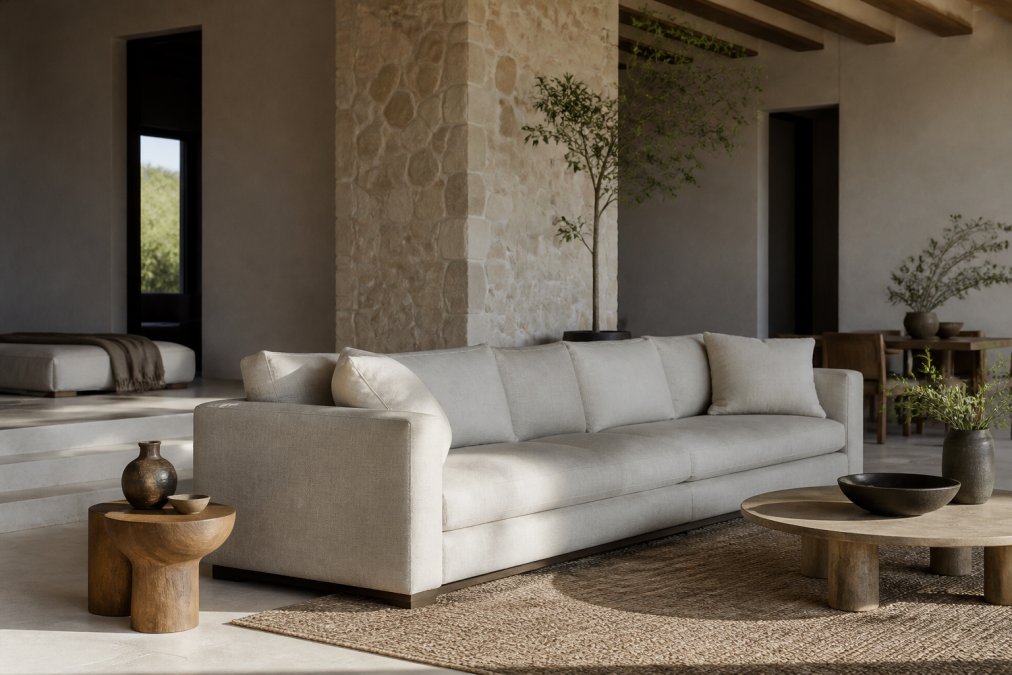
Pricing reflects the handcrafted approach and California sourcing. You're paying for construction quality and design coherence, not brand name inflation.
RH: Timeless Luxury with Lifetime Guarantees
RH (Restoration Hardware) is the comprehensive luxury option. Their range spans furniture, lighting, textiles, bathware, and decor. If you want to furnish an entire home in a cohesive aesthetic, RH makes that possible. Their design philosophy is timeless, neutral palettes, classic proportions, quality materials.
The lifetime guarantee on many seating collections is genuinely valuable. This commitment signals confidence in construction quality.
RH's membership program is worth considering if buying multiple pieces. The annual membership fee provides 30% off everything plus complimentary interior design services. For a $3,000 sofa, that's $900 in savings.
Lead times are typically 8 to 12 weeks for custom options. Customization is more limited than handcrafted brands, you're choosing from available fabrics and finishes rather than specifying materials from scratch.
Delivery is white-glove service included with furniture purchases. RH handles setup and placement, not just drop-off.
Arhaus: Artisan-Made Sustainability
Arhaus has built their brand on artisan aesthetics and sustainable sourcing. Their furniture has visual personality. The made-to-order model means lead times are typically 12 to 16 weeks. Each piece is built when you order it, using materials you've specified. Customization options are comprehensive.
Sustainability isn't marketing at Arhaus. They actually source salvaged wood, recycled metals, and responsibly harvested leather. These materials cost more and are harder to source consistently, which is why lead times are longer.
Free design services are included with purchases. Their designers can help you think through room layout, material choices, and how pieces work together.
Pricing is premium, reflecting both the artisan approach and sustainable sourcing. Resale value is strong because the design has personality and construction is transparent.
Room & Board: American Craftsmanship and Customization
Room & Board is the American manufacturing leader. Over 90% of their products come from U.S. manufacturers. This is verifiable and reflects how quality is enforced.
Their design philosophy is modern and functional. Pieces are built to work in real homes. Customization options are extensive, you can specify dimensions, fabrics, finishes, and hardware for most pieces.
Lead times vary depending on whether you're choosing standard options or customizing. Standard pieces ship in 4 to 8 weeks. Custom orders take 8 to 12 weeks. This is faster than handcrafted alternatives.
Delivery includes full-service setup. Their customer service reputation is strong.
Pricing is high but not stratospheric. You're paying for American manufacturing and customization options, not brand prestige inflation.
Lulu and Georgia: Curated Exclusivity
Lulu and Georgia takes a different approach: instead of offering everything, they curate a specific aesthetic. Their collection is exclusive and limited. You won't find the same pieces everywhere.
Made-to-order upholstered furniture allows customization for fabric and color.
Pricing is competitive for the design exclusivity.
Their Designer Program offers discounts and tax-exempt status for interior professionals.
Financing options through Affirm make larger purchases more accessible.
Maintenance and Durability: What to Expect from Luxury Pieces
Luxury furniture requires maintenance. Natural materials develop character through use and care. They don't stay pristine; they improve with age.
Solid wood furniture needs occasional conditioning to prevent drying and cracking. Leather needs regular cleaning and conditioning. Upholstery needs vacuuming and spot-cleaning. These aren't burdensome tasks, but they're necessary.
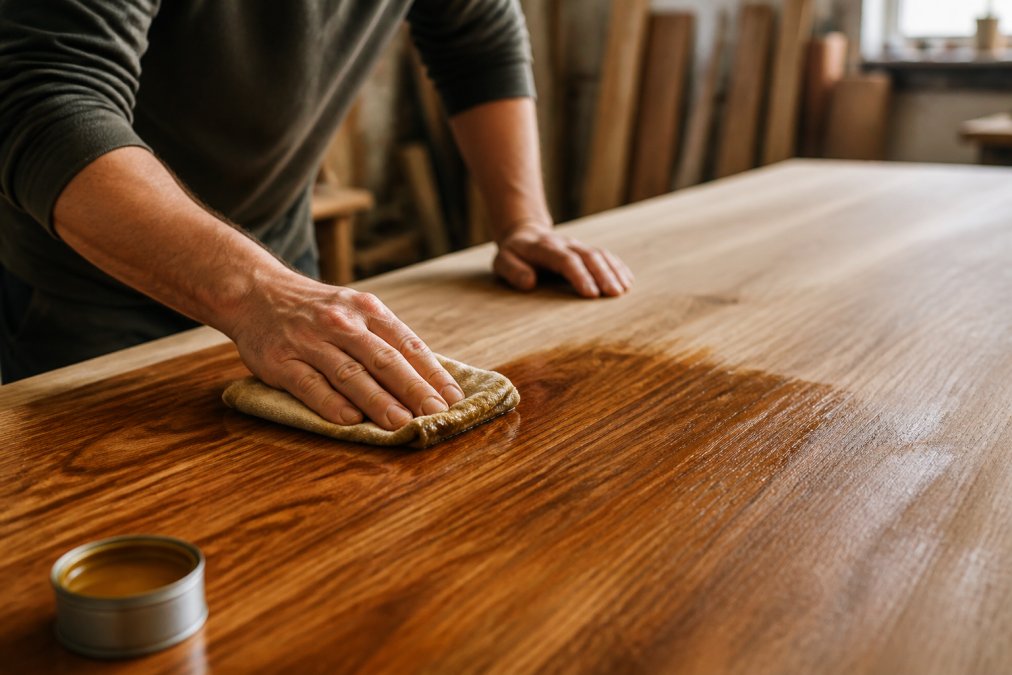
Durability expectations depend on construction quality. A sofa with eight-way hand-tied springs and high-density foam will last 15 to 20 years with normal use (peer-reviewed research). A sofa with lower-density foam might last 5 to 7 years. Over time, the quality piece is cheaper per year of use.
Cushion replacement is normal maintenance for upholstered furniture. Most luxury brands offer replacement cushions as separate purchases. Budget for this every 5 to 7 years depending on use.
Wood furniture develops a patina with age. Scratches and marks aren't flaws; they're evidence of use. Some buyers love this. Others prefer to refinish periodically. Both approaches work.
Choosing among crofthouse alternatives for luxury furniture ultimately comes down to matching your priorities to the right brand. If you value handcrafted construction and contemporary design that develops character over time, Tom Collins Home delivers that philosophy with uncompromising quality.
Visit Tom Collins Home to explore our curated collection of handcrafted sofas, sectionals, and dining tables designed in Southern California. Get updated on new collections and design inspiration by joining our community. Our team can walk you through customization options, lead times, and how our pieces work in real homes, not just showrooms.
=== FAQ ANSWERS (audit these too, same rules) ===
[1] Q: What makes crofthouse alternatives worth the investment compared to mass-produced furniture? A: Crofthouse alternatives prioritize solid wood construction, handcrafted details, and sustainable materials over cost-cutting. These pieces feature heirloom-quality craftsmanship designed to last decades. Artisan-made furniture resists sagging and structural failure because of superior joinery, premium upholstery materials, and rigorous quality standards. Unlike mass-produced options that use particleboard and compressed materials, luxury alternatives use solid wood frames and natural fabrics that age gracefully. This durability translates to lower replacement costs over your lifetime.
[2] Q: How do I identify quality craftsmanship in luxury furniture when comparing high-end furniture brands made in America? A: Look for solid wood construction (not veneers on particleboard), hand-stitched upholstery, and mortise-and-tenon joinery in frames. Check whether the brand discloses manufacturing location and materials sourcing. Reputable American-made brands provide detailed specifications about wood species, fabric composition, and finish types. Request photos of the piece's underside and internal structure. Verify warranty terms, lifetime guarantees on seating indicate confidence in durability. Ask about lead times; transparency about production timelines suggests made-to-order quality rather than warehouse stock.
[3] Q: What should I expect regarding delivery timelines and lead times when buying bespoke furniture? A: Handcrafted bespoke furniture typically requires 8-16 weeks for production, depending on customization complexity and current order volume. Supply chain transparency varies by brand, some publish estimated lead times on their websites, while others require a direct quote. Custom upholstery, wood staining, and hardware selections extend timelines. Factor in white-glove delivery scheduling, which may add 2-4 weeks. Before committing, confirm the brand's lead time policy and whether rush orders are available. Ask how production delays are communicated and what happens if timelines shift.
[4] Q: Are there American-made alternatives to luxury furniture retailers that offer better value? A: Room & Board stands out for value, over 90% of its products are made by American manufacturers. Tom Collins Home offers handcrafted pieces designed in Southern California with a focus on timeless aesthetics. Both brands emphasize durability and customization without membership fees required by some competitors. Arhaus prioritizes sustainable sourcing and artisan craftsmanship. These options provide genuine American craftsmanship without the premium pricing of ultra-luxury retailers, making them ideal for buyers who value domestic manufacturing and quality construction.
Frequently Asked Questions
Q: What makes crofthouse alternatives worth the investment compared to mass-produced furniture?
A: Crofthouse alternatives prioritize solid wood construction, handcrafted details, and sustainable materials over cost-cutting. These pieces feature heirloom-quality craftsmanship designed to last decades. Artisan-made furniture resists sagging and structural failure because of superior joinery, premium upholstery materials, and rigorous quality standards. Unlike mass-produced options that use particleboard and compressed materials, luxury alternatives use solid wood frames and natural fabrics that age gracefully. This durability translates to lower replacement costs over your lifetime.
Q: How do I identify quality craftsmanship in luxury furniture when comparing high-end furniture brands made in America?
A: Look for solid wood construction (not veneers on particleboard), hand-stitched upholstery, and mortise-and-tenon joinery in frames. Check whether the brand discloses manufacturing location and materials sourcing. Reputable American-made brands provide detailed specifications about wood species, fabric composition, and finish types. Request photos of the piece's underside and internal structure. Verify warranty terms, lifetime guarantees on seating indicate confidence in durability. Ask about lead times; transparency about production timelines suggests made-to-order quality rather than warehouse stock.
Q: What should I expect regarding delivery timelines and lead times when buying bespoke furniture?
A: Handcrafted bespoke furniture typically requires 8-16 weeks for production, depending on customization complexity and current order volume. Supply chain transparency varies by brand, some publish estimated lead times on their websites, while others require a direct quote. Custom upholstery, wood staining, and hardware selections extend timelines. Factor in white-glove delivery scheduling, which may add 2-4 weeks. Before committing, confirm the brand's lead time policy and whether rush orders are available. Ask how production delays are communicated and what happens if timelines shift.
Q: Are there American-made alternatives to luxury furniture retailers that offer better value?
A: Room & Board stands out for value, over 90% of its products are made by American manufacturers. Tom Collins Home offers handcrafted pieces designed in Southern California with a focus on timeless aesthetics. Both brands emphasize durability and customization without membership fees required by some competitors. Arhaus prioritizes sustainable sourcing and artisan craftsmanship. These options provide genuine American craftsmanship without the premium pricing of ultra-luxury retailers, making them ideal for buyers who value domestic manufacturing and quality construction.
This article was written using GrandRanker


